[fuel]

Wholesale Liquefied Petroleum Gas (LPG) Supply

LPG

EN 589 and ISO 9162 certified propane, butane, and autogas blends for industrial & retail use

Go to the available grades
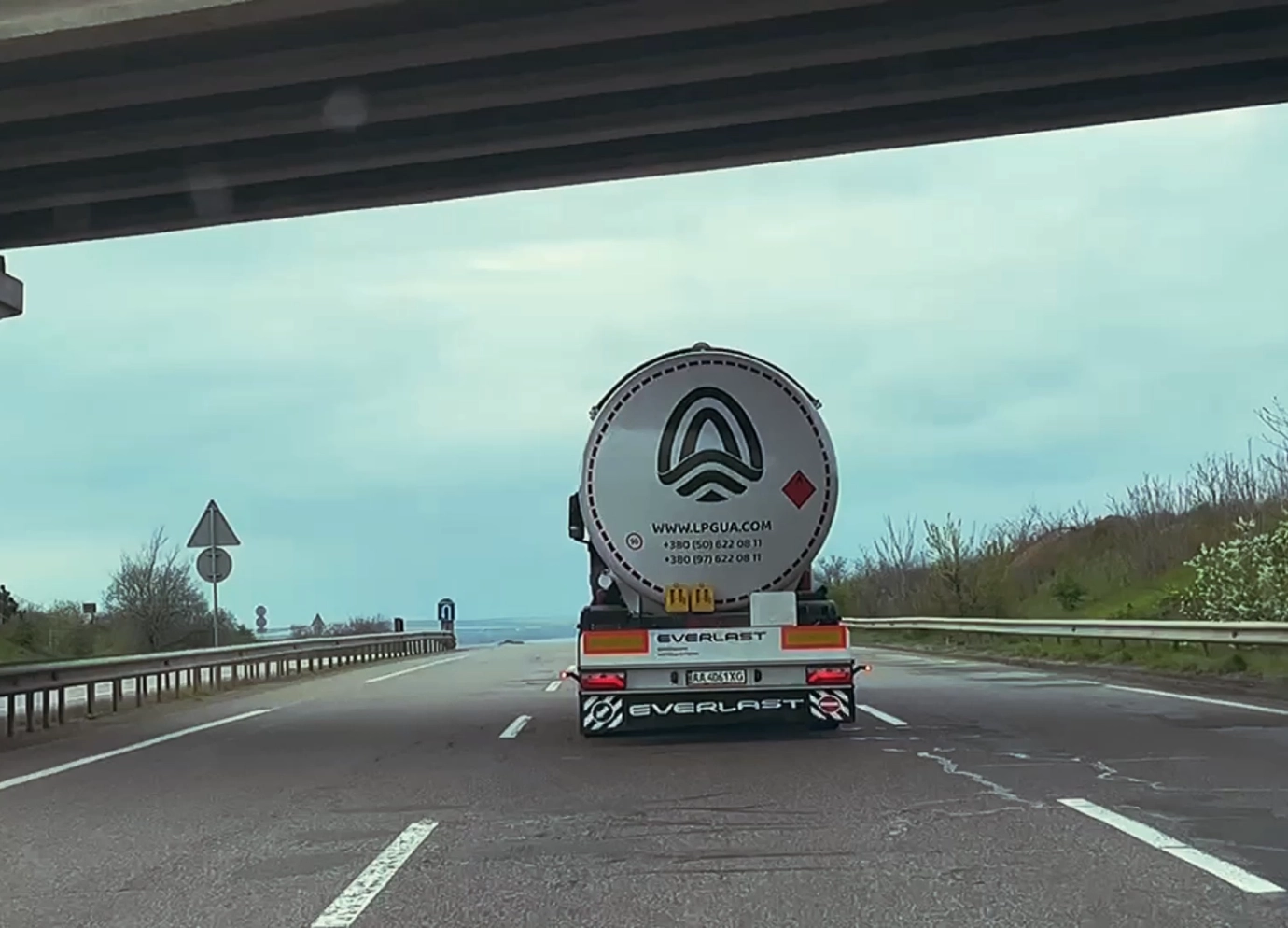
An OJAS GROUP liquefied petroleum gas tanker

Available LPG Grades

Commercial propane, industrial butane, and seasonally adjusted LPG mixtures

[LPG]

Commercial Propane

Standards:
ISO 9162 / EN 589 / Commercial Propane Specifications
Description:
Liquefied gas featuring high propane concentration and high vapor pressure. Engineered specifically for sub-zero operating environments, ensuring continuous vapor withdrawal and high thermal output without system freeze-ups.
Key Applications:
Agricultural grain drying facilities, outdoor storage tanks, high-capacity industrial vaporizers, cold-climate operations.
Order now
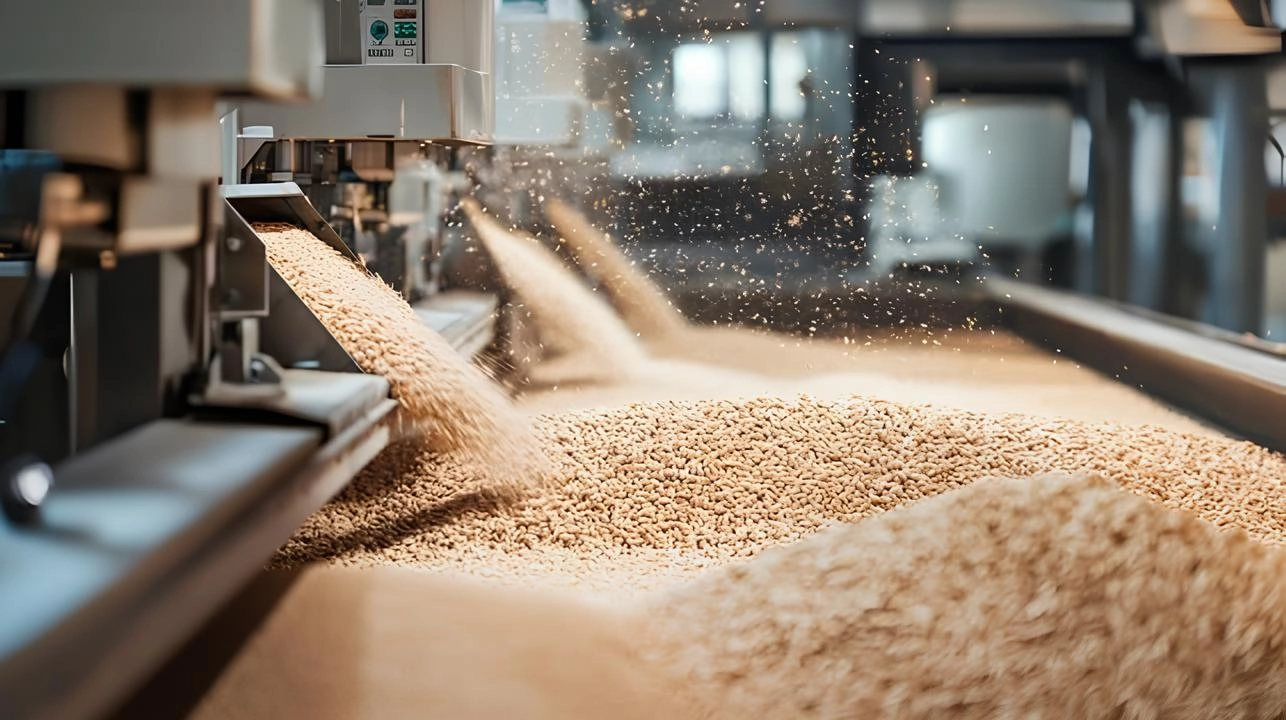
A grain drying facility running on commercial propane

[LPG]

Propane-Butane Blend

Standards:
EN 589 (Automotive LPG) / ISO 9162 Commercial Blends
Description:
Universal fuel featuring seasonally adjusted propane-to-butane ratios (e.g., 60/40 or 70/30). Offers balanced vapor pressure, clean combustion, and reliable performance under standard temperature conditions.
Key Applications:
Retail autogas networks (gas stations), industrial burners, heating plants, sheltered above-ground and underground tanks.
Order now
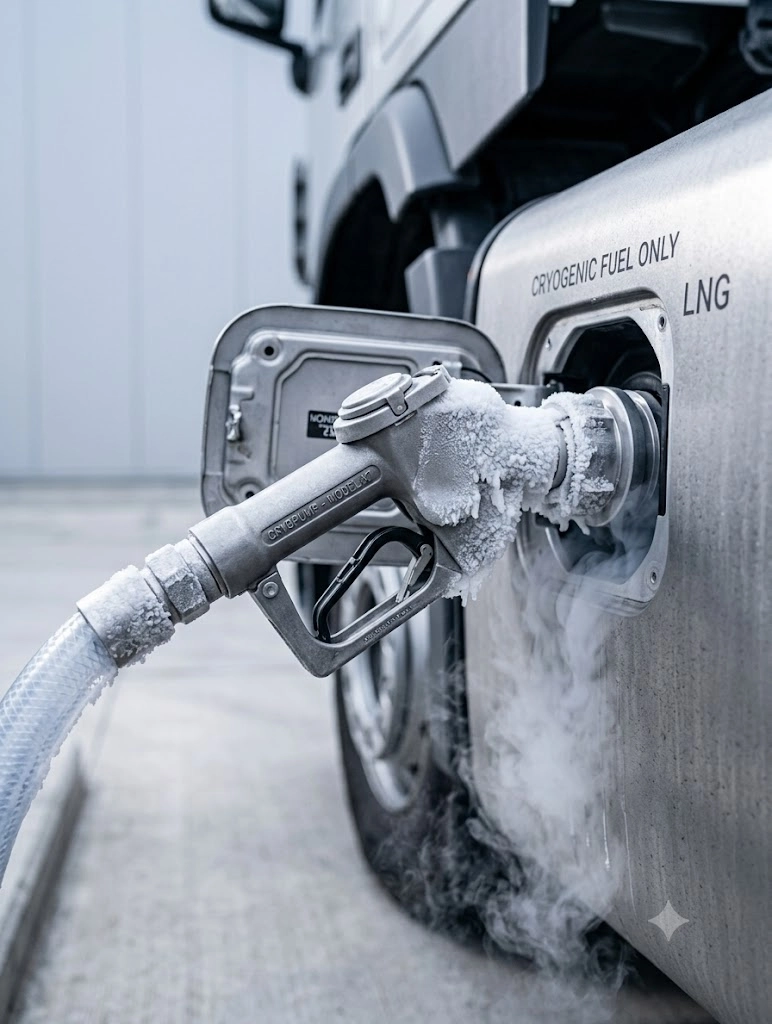
An autogas nozzle at a filling station

[LPG]

Industrial Butane / Refined Butane

Standards:
ISO 9162 / High-Purity Technical Specifications
Description:
Specialized gaseous feedstock and high-efficiency fuel characterized by low vapor pressure, high purity levels, and maximum specific heat yield. Tailored for warm-weather applications and temperature-controlled environments.
Key Applications:
Chemical & petrochemical feedstock, underground storage installations, forced-vaporization systems, industrial propellant formulations.
Order now
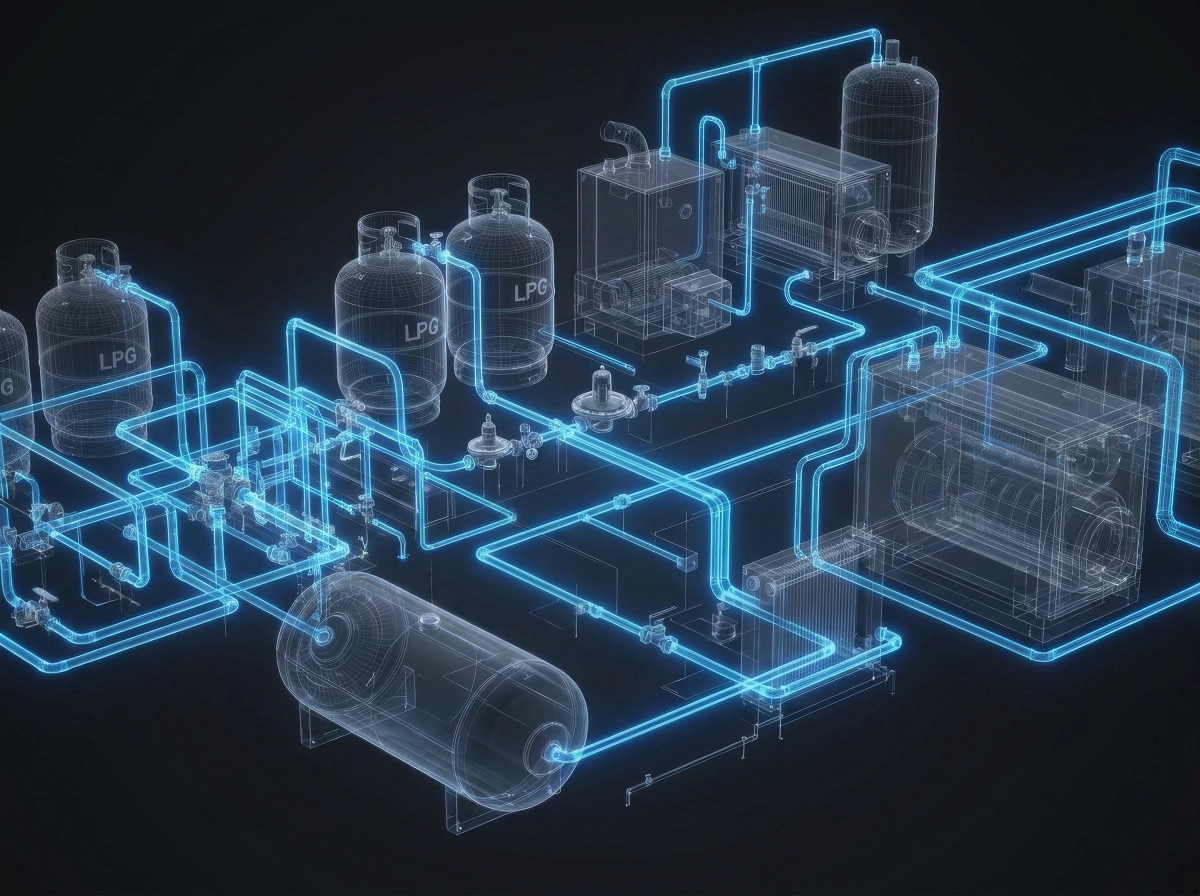
A chemical plant tank farm with its pipework

Application & System Compatibility Guidelines

Optimizing fuel blend selection for your storage tanks, vaporizers, and burners

1/3

Pressure Containment

Must be stored exclusively in certified pressure vessels (aboveground or underground bullet tanks) designed to withstand internal vapor pressures.

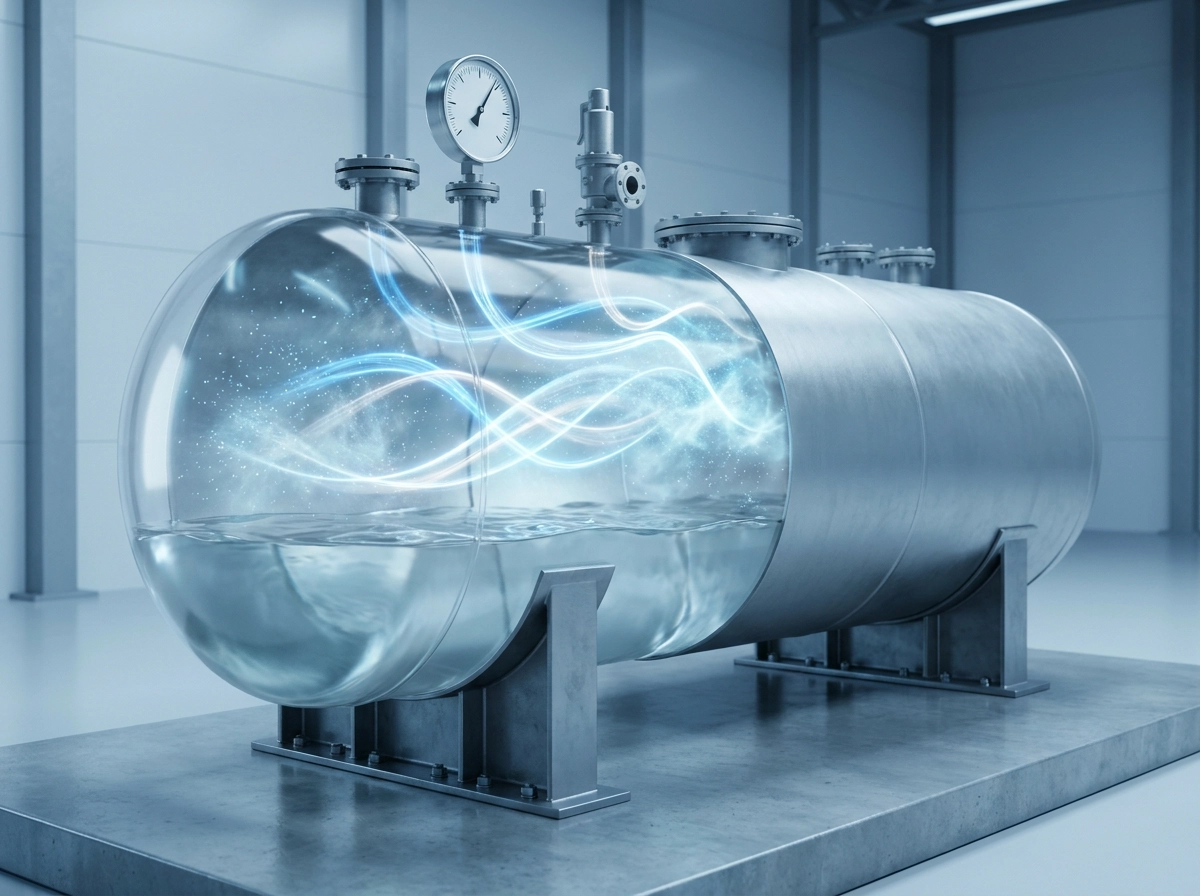
A cylindrical pressure vessel for liquefied gas storage

2/3

Odorization

LPG has no natural odour, so it is odorized with ethyl mercaptan to make a leak detectable by smell. The odorant level is verified for every batch, and odorized product is kept apart from feedstock streams where the odour is unacceptable.

Checking the odorant level of a liquefied gas batch

3/3

Safety & Venting

LPG vapour is heavier than air and collects in pits and basements, so the working area needs ventilation at floor level and clear escape routes. Relief valves must discharge in a safe direction, and open flames or spark sources are not permitted inside the clearance zone.

Relief valves and ventilation around a storage vessel

Industries We Serve

Chemical Composition & Technical Parameters

Vapor pressure, calorific value, and boiling point analysis of propane vs. butane

[Commercial Propane]

Boiling Point
~ -42°C
Vapor Pressure (40°C)
~ 1.35 – 1.53 MPa (13.5 – 15.3 bar)
Liquid Density (15°C)
~ 0.500 – 0.510 kg/L
Calorific Value (Mass)
~ 46.3 MJ/kg (11,050 kcal/kg)

[Propane-Butane Blend]

Boiling Point
~ -42 °C to -0.5 °C (varies by ratio)
Vapor Pressure (40°C)
~ 0.70 – 1.10 MPa (7.0 – 11.0 bar)
Liquid Density (15°C)
~ 0.530 – 0.560 kg/L
Calorific Value (Mass)
~ 45.8 – 46.0 MJ/kg (10,950 kcal/kg)

[Industrial Butane]

Boiling Point
~ -0.5 °C
Vapor Pressure (40°C)
~ 0.35 – 0.40 MPa (3.5 – 4.0 bar)
Liquid Density (15°C)
~ 0.575 – 0.585 kg/L
Calorific Value (Mass)
~ 45.7 MJ/kg (10,900 kcal/kg)

Seasonal Blend Transition Schedule

Adapting LPG ratios for uninterrupted equipment performance in summer and winter

Blend Ratio Adjustments: Automatic seasonal shifts between propane and butane proportions. Because butane has a lower vapor pressure and ceases to vaporize efficiently below freezing temperatures, winter LPG blends feature a higher percentage of pure propane to maintain consistent system pressure in cold environments.